
Topro Xl

Topro Xl
- You can purchase Toprol XL without a prescription in our pharmacy, with delivery in 5–14 days throughout Canada. Discreet and anonymous packaging.
- Toprol XL is used for the treatment of hypertension, angina pectoris, heart failure, and post-myocardial infarction. It acts as a selective beta-1 adrenergic receptor antagonist.
- The usual dosage for hypertension ranges from 25 to 100 mg once daily, depending on the condition.
- The form of administration is an extended-release tablet.
- The effect of the medication typically begins within 1–2 hours.
- The duration of action is up to 24 hours.
- Alcohol consumption should be avoided as it may enhance side effects like dizziness and hypotension.
- The most common side effect is fatigue.
- Would you like to try Toprol XL without a prescription?



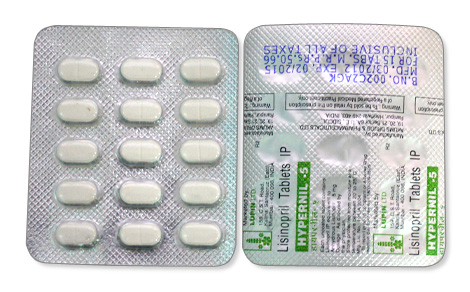
Basic Toprol XL Information
- INN (International Nonproprietary Name): Metoprolol succinate
- Brand names available in Canada: Toprol XL
- ATC Code: C07AB02
- Forms & dosages: Extended-release tablets: 25mg, 50mg, 100mg, 200mg
- Manufacturers in Canada: AstraZeneca, Par Pharmaceuticals, Sandoz
- Registration status in Canada: Approved by Health Canada
- OTC / Rx classification: Prescription-only (Rx)
Critical Warnings & Restrictions In Canada
Metoprolol succinate, primarily known as Toprol XL, has important considerations for various groups that may require careful monitoring.
High-Risk Groups (Elderly, Pregnant, Indigenous Health Considerations)
Specific populations are at heightened risk when using Toprol XL:
- Elderly Patients: These individuals should receive close monitoring since there’s an increased risk of bradycardia (slow heart rate) and hypotension (low blood pressure).
- Pregnant Women: Toprol XL is classified as a Pregnancy Category C drug, meaning it could pose risks to fetal development. Consulting a healthcare provider before starting this medication is crucial.
- Indigenous Communities: Indigenous populations in Canada may have unique health needs that influence how this medication affects them. Customized care and consideration of genetic factors may be necessary to ensure their safety and efficacy.
Interaction With Activities (Driving, Machinery, Workplace Safety Under Canadian Law)
Patients taking Toprol XL should exhibit caution regarding activities demanding full alertness, such as:
- Driving: The medication might induce fatigue or dizziness, impacting driving abilities.
- Operating Heavy Machinery: Similar effects can occur, which may lead to safety risks in workplace settings.
Canadian law places a premium on public safety, stressing the importance of addressing any adverse side effects with a healthcare provider promptly. If users notice increased fatigue or dizziness, they should refrain from these activities until cleared by their healthcare professional.
Q&A — “Can I Drive After Taking It In Canada?”
Q: Can I drive after taking Toprol XL if I feel normal?
A: If no dizziness or fatigue is experienced, driving may be acceptable. However, it’s always advisable to consult your healthcare provider for personal insight.
Mechanism & Pharmacology
Understanding how Toprol XL works can provide reassurance to patients concerned about their heart health. This medication primarily acts by targeting beta-1 adrenergic receptors located in the heart. By blocking these receptors, Toprol XL effectively lowers the heart rate and blood pressure. This action is beneficial as it improves blood flow and decreases the workload on the heart. As a result, it becomes a preferred choice for managing conditions like hypertension and angina.
Clinical Terms
In clinical terms, Toprol XL is classified as a selective beta-blocker, specifically under the ATC code C07AB02. Its mechanism focuses on beta-1 adrenergic receptor antagonism, which significantly helps reduce myocardial oxygen demand. The detailed pharmacological insights are extensively outlined in Health Canada-approved product monographs, aiding healthcare professionals in understanding its clinical applications.
Indications & Off-Label Uses in Canada
Approved Indications
Toprol XL holds a Drug Identification Number (DIN) in Canada, confirming its approval for various heart-related conditions such as hypertension, angina pectoris, heart failure, and management following a myocardial infarction. This wide range speaks to its versatility as a cardiac medication.
Common Off-Label Practices
In practice, physicians in Canada may occasionally prescribe Toprol XL off-label for conditions like anxiety management or as a preventive measure for migraines. Such decisions are typically guided by clinical judgment and the individual responses observed in patients, showcasing the medication's flexibility in treatment approaches.
Key Clinical Findings
Canadian and International Studies 2022–2025
Recent studies, both in Canada and globally, underline the effectiveness and safety of Toprol XL for patients with cardiovascular conditions. Research highlights a significant connection between patients adhering to their treatment regimen and a marked reduction in hospitalization rates due to heart-related issues, emphasizing the importance of consistency in taking this medication.
Ongoing Health Canada Safety Monitoring
Health Canada remains vigilant in monitoring the safety profile of Toprol XL. Any adverse effects reported by healthcare professionals are diligently documented and investigated, ensuring that patient safety remains paramount. This commitment enhances trust in the medication's ongoing use among practitioners and patients alike.
Alternatives Matrix
Comparable Medicines with DIN in Canada
Several beta-blockers available in the Canadian market share similar indications with Toprol XL. These include Atenolol, Bisoprolol, and Carvedilol. Each medication may offer specific benefits depending on a patient's unique health circumstances, making it vital for healthcare providers to evaluate the best option for their patients.
Pros and Cons Checklist
- Toprol XL:
- Pros: Effective for hypertension, simple once-daily dosing.
- Cons: Some patients may experience side effects like fatigue.
- Alternatives:
- Pros: Other options may come with fewer side effects.
- Cons: Alternatives might require more frequent dosing or have additional dietary restrictions.
Common Questions from Canadian Patients
Patients often have concerns about potential withdrawal effects when discontinuing Toprol XL, alternatives for those who do not respond well to the medication, and necessary lifestyle adjustments while undergoing treatment with this drug. Educating patients on these topics is crucial for aiding their confidence and adherence to their treatment plans.
Suggested Visual Content
Infographics on Provincial Drug Plan Coverage
Creating infographics that illustrate the drug coverage options available under various provincial drug plans can serve as a valuable resource for patients. Details about programs like Ontario Drug Benefit or BC PharmaCare can empower patients to maximize their healthcare benefits effectively.
Canadian Pharmacy Purchase Flowcharts
Flowcharts outlining the purchase process, from obtaining a prescription to acquiring Toprol XL at pharmacies, can significantly ease patients' navigational challenges. Visual guides could clarify the steps involved, providing a better understanding of their options in both online and physical pharmacy settings.
Registration & Regulation
Health Canada Approval
Toprol XL has successfully navigated the stringent approval processes enforced by Health Canada. This comprehensive evaluation confirms both the efficacy and safety of metoprolol succinate for its indicated uses, which include hypertension, angina, and congestive heart failure. After its market entry, the commitment to patient safety continues, as ongoing studies and systems for monitoring adverse events provide critical data to ensure optimal safety for users at all times.
DIN Number and Labelling Requirements
Toprol XL is assigned a unique Drug Identification Number (DIN), essential for its identification and regulation within the Canadian pharmaceutical landscape. Proper labelling of the medication also adheres to bilingual requirements, a standard set forth by Canadian regulations. This ensures that all patients, regardless of their primary language, receive the necessary information about the medication they are taking.
Storage & Handling
Standard Canadian Household Conditions
Storing metoprolol succinate correctly is vital for maintaining its efficacy. It should be kept at room temperature, ideally between 20°C and 25°C, and away from direct moisture and light. For safety reasons, it’s also essential to keep the medication out of reach of children to prevent accidental ingestion. Patients should always store Toprol XL in its original packaging to safeguard it from humidity and maintain its effectiveness.
Cold-Chain Requirements (Where Applicable)
Although Toprol XL itself doesn’t require cold storage, it's useful to remain aware of specific medications that do have such requirements. Patients should educate themselves on the handling protocols for other essential medications in order to prevent any loss of efficacy. Understanding the storage needs for all medications leads to better health outcomes and ensures treatments remain effective.
Guidelines for Proper Use
Canadian Pharmacist Guidance
Pharmacists play a crucial role in ensuring patients understand their prescribed dosages of Toprol XL. They highlight potential interactions with other medications, making sure that patients are fully informed about what they are taking. Regular dialogues with pharmacists can yield invaluable insights, as they monitor patient health outcomes and help adjust treatment plans as necessary.
Provincial Health Authority Recommendations
Health authorities in various provinces advocate for patients on Toprol XL to schedule regular follow-ups. These consultations are essential for monitoring blood pressure and overall cardiovascular health. Through consistent evaluation, healthcare providers can fine-tune treatment effectiveness and adjust any necessary lifestyle recommendations to improve patient outcomes.
Delivery Information
| City | Region | Delivery time |
|---|---|---|
| Toronto | Ontario | 5–7 days |
| Vancouver | British Columbia | 5–7 days |
| Calgary | Alberta | 5–7 days |
| Ottawa | Ontario | 5–7 days |
| Montreal | Quebec | 5–7 days |
| Edmonton | Alberta | 5–7 days |
| Quebec City | Quebec | 5–9 days |
| Halifax | Nova Scotia | 5–9 days |
| Winnipeg | Manitoba | 5–9 days |
| Saskatoon | Saskatchewan | 5–9 days |
| Victoria | British Columbia | 5–9 days |
| St. John's | Newfoundland | 5–9 days |