Neurontin
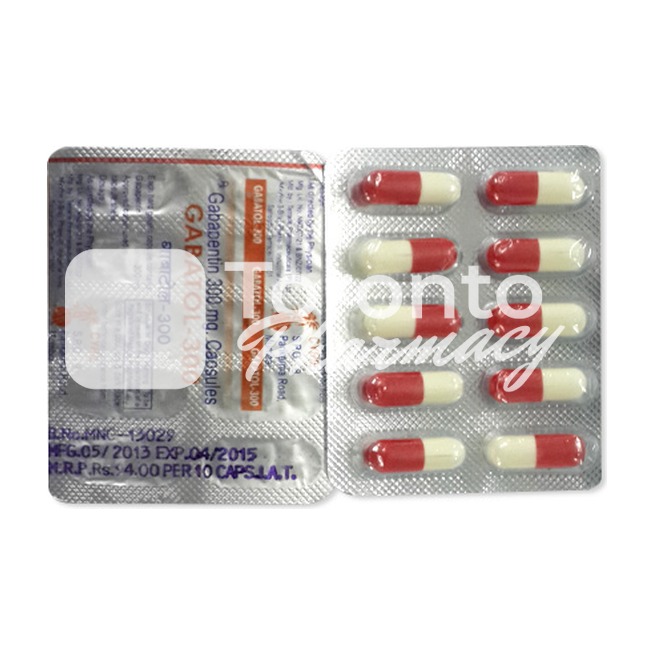
In brief
- Neurontin is the brand name under which this shop lists gabapentin as tablets or capsules of 100, 300, 400, 600 and 800 mg.
- Neurontin is a prescription-only medicine; a doctor judges whether it is appropriate and oversees the whole course.
- Pack sizes run from 10 to 360 units, and the available sizes depend on the strength chosen.
- Neurontin is an anticonvulsant, used as add-on therapy for some seizures and, in practice, for shingles-related nerve pain.
- Neurontin often causes dizziness and sleepiness, so take care with cars and machinery until you know your own reaction.
- Neurontin should never be halted abruptly; the doctor tapers the dose step by step.
- Neurontin together with opioids or other sedating drugs may suppress breathing, so give your doctor your full medicine list.
- Delivery time depends on the shipping method and is shown at checkout.
Neurontin Quick Reference
- Active substance (INN): gabapentin
- Forms and strengths we list: tablets or capsules, 100, 300, 400, 600 and 800 mg; packs from 10 up to 360 units
- Class: anticonvulsant (antiepileptic) with an effect on nerve pain
- Status: prescription medicine
- What the listing means: sold here as Neurontin, the product is gabapentin in the strengths above
How Neurontin Works in the Nervous System
Neurontin contains gabapentin, a molecule built like the brain chemical GABA that nevertheless does not bind GABA receptors. Instead, gabapentin attaches to part of the calcium channels found on nerve cells. That lowers the release of excitatory messengers and quiets nerves that fire too much, which explains why Neurontin is relevant both to seizure disorders and to neuropathic pain.
What Neurontin Is Prescribed For
Neurontin is a prescription drug. Under the Canadian authorization, it is an add-on option for adults whose epilepsy is not well controlled with standard therapy. Gabapentin is also used off-label for neuropathic pain, for instance the pain that lingers after shingles, and a doctor may consider other uses that fit your history. Choosing Neurontin is a medical decision, and a doctor supervises the treatment.
Neurontin Dosing Ranges and Directions
These figures are for general information only. The epilepsy range reflects the Canadian monograph, whereas the nerve-pain range comes from standard prescribing references because that is an off-label use in Canada. Your doctor determines the Neurontin dose after weighing the condition, your age, how well your kidneys work and how you respond.
- Add-on for partial seizures (adults): the monograph describes a usual range of roughly 900 to 1800 mg per day, split into three doses.
- Postherpetic neuralgia (adults): the first dose is small and is raised over several days; standard references describe titration up to 1800 mg daily in three divided doses, depending on response and tolerability, and the doctor sets the exact dose.
- Reduced kidney function: the kidneys clear gabapentin, so the doctor lowers the Neurontin dose when they work less well.
Taking Neurontin Day to Day
- Neurontin is swallowed with water and may be taken with or without a meal, at steady times.
- When it is taken three times daily, avoid leaving more than 12 hours between doses unless your doctor directs otherwise.
- An antacid with aluminum or magnesium reduces absorption, so wait at least 2 hours after the antacid before taking Neurontin.
Why Neurontin Is Tapered, Not Stopped
Quitting Neurontin all at once can provoke seizures or other withdrawal symptoms. For that reason the doctor lowers the dose gradually, normally across at least a week.
Who Should Avoid Neurontin
- Anyone allergic to gabapentin or to another component of the product.
- Anyone who previously had a serious allergic reaction to Neurontin.
Before beginning Neurontin, mention kidney disease, past depression or mood swings, breathing conditions such as COPD, diabetes and any history of substance misuse. Older adults can be more sensitive to the sleepiness that Neurontin causes.
Neurontin Side Effects to Know About
Usual Neurontin side effects
- dizziness, sleepiness (somnolence) and fatigue;
- poor balance or coordination (ataxia);
- puffiness of the hands, legs or feet;
- blurred or double vision;
- weight gain and a dry mouth.
How often each effect occurs is listed in the Neurontin product monograph.
Neurontin warning signs that call for urgent help
- Suicidal thoughts or behaviour: anticonvulsants, gabapentin among them, are tied to a slight rise in suicidal thinking. Contact your doctor or emergency services immediately if depression, mood change or thoughts of self-harm appear or intensify.
- Severe allergy, or a rash with fever and swollen glands (multi-organ hypersensitivity): discontinue the drug and seek urgent care.
- Slow, shallow breathing or extreme drowsiness: get emergency help.
- Intense abdominal pain (possible pancreatitis) or yellow skin or eyes.
Neurontin and Other Medicines
- Opioids and other CNS depressants (sedatives, sleep aids, certain anti-anxiety drugs, alcohol): with Neurontin they may bring profound sleepiness and respiratory depression. Morphine may also increase gabapentin levels.
- Antacids containing aluminum or magnesium: leave at least 2 hours before Neurontin.
- Other anticonvulsants: the doctor reviews the combination.
Provide your doctor with every prescription drug, natural health product and supplement you use before Neurontin is started.
Neurontin in Pregnancy and While Nursing
A doctor should allow Neurontin during pregnancy only when the expected benefit exceeds the risk. Because uncontrolled seizures can endanger both mother and baby, never discontinue the medicine on your own. Gabapentin enters breast milk, so raise breastfeeding with your doctor while you take Neurontin.
Neurontin, Alcohol and Driving
Neurontin may dull alertness and coordination, most noticeably in the first weeks or after a change of dose. Stay away from driving and machinery until you know your reaction, and skip alcohol, which deepens the drowsiness.
Neurontin Storage and a Missed Dose
- Keep Neurontin at room temperature in its original package, dry, and out of children's reach.
- After a missed dose, take Neurontin once you remember, unless the next dose is nearly due. Never take two doses together.
Neurontin Next to Related Medicines
| Medicine | Active substance | Main point of difference |
|---|---|---|
| Neurontin | gabapentin | add-on for partial seizures; postherpetic neuralgia |
| Lyrica | pregabalin | neuropathic pain, fibromyalgia and add-on for partial seizures |
| Tegretol | carbamazepine | epilepsy and trigeminal neuralgia |
| Elavil | amitriptyline | an antidepressant that a doctor may choose for nerve pain |
Neurontin: Frequently Asked Questions
Can anyone buy Neurontin on their own judgment?
No. Neurontin is a prescription medicine, so the decision to use it and the supervision of treatment rest with a doctor.
Which Neurontin strengths and packs are listed?
Neurontin is listed as gabapentin tablets or capsules of 100, 300, 400, 600 and 800 mg, in packs of 10 to 360. Pick the strength your doctor ordered.
Is it all right to quit Neurontin when the symptoms settle?
Not on your own. Sudden withdrawal of Neurontin risks seizures and other withdrawal symptoms, and the doctor will taper it gradually.
Does Neurontin make driving risky?
It can. Neurontin may cause dizziness and sleepiness, so hold off on driving until you see how it affects you.