Bactrim
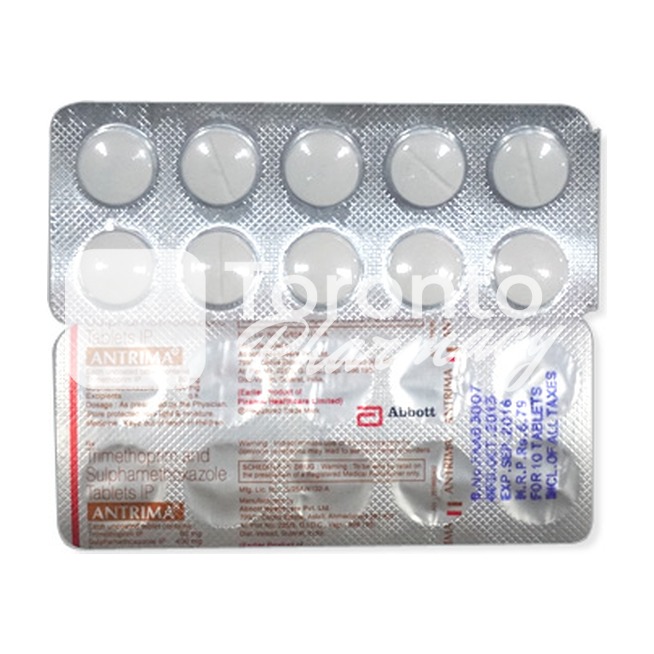
In brief
- Bactrim is the brand name under which this shop lists sulfamethoxazole + trimethoprim tablets: 400+80 mg in packs of 90 to 360, and 800+160 mg (DS) in packs of 60 to 360.
- Bactrim is a prescription-only antibiotic; the doctor decides whether it fits your infection and how long to use it.
- Bactrim treats infections caused by susceptible bacteria, for example urinary tract infections and certain chest and bowel infections.
- Bactrim is not for anyone allergic to sulfonamides; stop it when the first rash shows up.
- Bactrim can in rare cases cause severe skin reactions (Stevens-Johnson syndrome, toxic epidermal necrolysis); painful spreading rash, blisters or mouth sores require urgent medical help.
- Bactrim may increase blood potassium (hyperkalemia) and lower folate, so the doctor may arrange blood tests.
- Bactrim, like any antibiotic, does nothing against viral illness such as colds and influenza.
- Delivery time depends on the shipping method and is shown at checkout.
Bactrim Quick Reference
- Active substances (INN): sulfamethoxazole and trimethoprim (co-trimoxazole)
- Forms and strengths we list: tablets 400+80 mg (packs of 90 to 360) and tablets 800+160 mg, also called DS (packs of 60 to 360)
- Class: combined sulfonamide and folate-antagonist antibacterial
- Status: prescription medicine
- What the listing means: sold here as Bactrim, the product is sulfamethoxazole + trimethoprim in the strengths above
How Bactrim Stops Bacteria
Bactrim pairs two substances that each interrupt a different step in the way bacteria produce folate, a vitamin they require for growth. Used together, sulfamethoxazole and trimethoprim keep susceptible bacteria from multiplying. Bactrim targets bacteria and some other microbes only, so it has no effect on virus infections such as colds and flu.
Infections Where Bactrim Is Used
Bactrim is a prescription antibiotic. The Canadian monograph and standard references mention urinary tract infections, acute flare-ups of chronic bronchitis, some ear infections in children, shigellosis and travellers' diarrhea. It is also used to treat and to prevent Pneumocystis jirovecii pneumonia in people with weakened immunity. Whether Bactrim suits your infection is the doctor's call.
Bactrim Dose Ranges and Use
The ranges here are general monograph information. The doctor fixes the Bactrim dose and the course length, taking into account the infection, kidney function, age and weight.
- Urinary tract infection (adults): the usual dose is one DS tablet (800+160 mg), or two 400+80 mg tablets, every 12 hours; the doctor chooses the duration, from a short course for uncomplicated cases to longer ones.
- Preventing Pneumocystis pneumonia: a typical regimen is one DS tablet once daily.
- Treating Pneumocystis pneumonia: dosing by body weight, with close medical supervision.
- Lower kidney function: the doctor reduces the dose or spaces doses further apart.
Taking Bactrim Correctly
- Have each Bactrim dose with a full glass of water and keep drinking plenty of fluids through the course.
- Space the doses evenly and finish the entire course set by your doctor, even after you feel better.
- Leftover Bactrim should not be saved for a future illness.
Who Should Not Take Bactrim
- Allergy to sulfonamide antibiotics, to trimethoprim or to a tablet ingredient, which includes any earlier immune thrombocytopenia triggered by trimethoprim or a sulfonamide.
- Megaloblastic anemia caused by folate deficiency.
- Significant liver damage, or severe kidney disease where kidney function cannot be followed.
- Babies younger than 2 months.
Before Bactrim, mention kidney or liver disease, G6PD deficiency (which can destroy red blood cells), porphyria, asthma, thyroid disease and low folate. Older people face a greater risk of side effects with Bactrim.
Bactrim Side Effects
Typical Bactrim side effects
- nausea, vomiting, reduced appetite and diarrhea;
- skin rash and itch;
- extra sensitivity to sunlight;
- headache.
The Bactrim product monograph lists how often each effect occurs.
Bactrim reactions that require stopping and urgent help
- Severe skin reactions: Stevens-Johnson syndrome and toxic epidermal necrolysis show up as blisters, peeling skin, sores in the mouth or eyes and fever. Stop Bactrim at the first rash and get urgent medical help.
- High potassium (hyperkalemia): weak muscles or an irregular heartbeat; the risk is greater with kidney disease and certain other drugs.
- Blood disorders: sore throat, fever, easy bruising or paleness, linked in part to lowered folate and to G6PD deficiency.
- Liver trouble: yellow skin or eyes and dark urine.
- Severe or bloody diarrhea during or after treatment, a possible sign of Clostridioides difficile infection.
Bactrim Interactions
- Warfarin: Bactrim can raise the bleeding risk, so blood tests are needed often.
- Methotrexate: the combination increases the danger of serious blood toxicity.
- ACE inhibitors, ARBs, spironolactone and potassium supplements: potassium can climb to unsafe levels.
- Phenytoin, cyclosporine, digoxin and some diabetes drugs: their levels or effects may change.
Hand your doctor a full list of medicines and supplements before Bactrim begins.
Bactrim in Pregnancy and During Breastfeeding
Because Bactrim reduces folate and can reach the baby, doctors usually avoid it in pregnancy, mainly in the first trimester and near term, unless it is judged necessary. A little passes into breast milk and may affect newborns, so discuss Bactrim with your doctor if you are nursing.
Bactrim Storage and Missed Doses
- Keep Bactrim tablets at room temperature, away from light and damp, and out of children's reach.
- When a dose is missed, take Bactrim as soon as you remember, unless the next dose is nearly due; do not take double.
Bactrim Compared With Other Antibiotics
| Medicine | Active substance | Antibiotic family |
|---|---|---|
| Bactrim | sulfamethoxazole + trimethoprim | folate-pathway combination |
| Macrobid | nitrofurantoin | urinary antibacterial |
| Cipro | ciprofloxacin | fluoroquinolone |
| Clavulin | amoxicillin + clavulanic acid | penicillin with a beta-lactamase inhibitor |
Bactrim: Frequently Asked Questions
Who decides if I need Bactrim?
A doctor does. Bactrim is a prescription antibiotic, and the doctor oversees the treatment.
What does the DS mean in Bactrim DS?
DS stands for double strength: 800+160 mg against 400+80 mg in the regular tablet. This shop lists Bactrim in both strengths.
Is Bactrim suitable if I react to sulfa drugs?
No. Bactrim contains a sulfonamide, so a sulfa allergy rules it out. Tell your doctor about every earlier drug reaction.
What should I do if a rash develops during Bactrim treatment?
Stop Bactrim and call a doctor at once. A rash with blisters, peeling, fever or mouth sores calls for urgent medical help.