Amlodipine
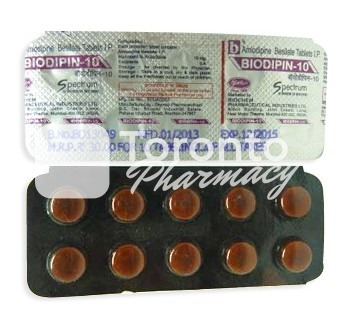
In brief
Amlodipine relaxes blood vessels by blocking calcium entry into their muscle cells. It is used to lower blood pressure and help prevent angina, rather than relieve an acute chest-pain episode.
Basic Amlodipine Information
- Active substance (INN): Amlodipine (as amlodipine besylate)
- Form and strengths offered: Amlodipine tablets, 2.5mg / 5mg / 10mg (offered under the name Norvasc)
- Pack sizes offered: 60 pills, 90 pills, 120 pills, 180 pills, 270 pills, 360 pills
- Drug group: Dihydropyridine calcium channel blocker
- Prescription medicine: Yes
What Is Amlodipine Used For?
Amlodipine is a calcium channel blocker. Under the name Norvasc we offer amlodipine 2.5mg, 5mg and 10mg tablets. According to the Health Canada monograph, Amlodipine is used to treat mild to moderate high blood pressure and to prevent chest pain in chronic stable angina and vasospastic (Prinzmetal) angina. It can be taken alone or together with other blood pressure medicines.
Amlodipine helps control blood pressure, which lowers the long-term risk of stroke and heart attack. It is a long-term treatment and does not cure the condition.
How Amlodipine Works
Amlodipine blocks the entry of calcium into smooth muscle cells of blood vessels and into heart muscle cells. The vessel walls relax, blood vessels widen, and blood pressure falls. In angina, Amlodipine reduces the work of the heart and widens the coronary arteries so that more oxygen reaches the heart muscle. Its half-life is long, so one tablet a day is enough.
Amlodipine Dosage and Administration
The ranges below are informational and follow the monograph. The doctor sets the dose.
Typical Amlodipine doses in adults
- High blood pressure: commonly starting at 5mg once daily, increased to a maximum of 10mg once daily.
- Angina: commonly 5mg to 10mg once daily.
- Small, frail or elderly patients and people with liver impairment: commonly start with 2.5mg once daily.
Take Amlodipine at the same time every day, with or without food. Effects build up over one to two weeks.
Missed Amlodipine dose
Take it when you remember, unless the next dose is near. Never take two doses at once.
Who Should Not Take Amlodipine
- Allergy to amlodipine or other dihydropyridines.
- Severe low blood pressure or cardiogenic shock.
- Do not use with severe aortic stenosis or haemodynamically unstable heart failure after an acute heart attack. Other heart failure, liver disease and recent heart attack require medical assessment.
Amlodipine Side Effects
Common Amlodipine side effects
- Swelling of the ankles or feet (edema)
- Headache, flushing, dizziness, tiredness
- Palpitations, nausea, abdominal pain
Serious Amlodipine side effects
- Marked low blood pressure with fainting
- More frequent or severe chest pain after starting or increasing the dose
- Liver problems with yellow skin or eyes, severe skin reactions, swelling of the face or throat
- Gum overgrowth (gingival hyperplasia)
Frequencies are listed in the product monograph. Report persistent swelling or any serious symptoms to your doctor.
Amlodipine Interactions
- Simvastatin: the simvastatin dose should be limited when taken with Amlodipine.
- CYP3A4 inhibitors such as clarithromycin, ketoconazole, itraconazole and ritonavir can raise Amlodipine levels.
- Grapefruit juice may raise levels and is best avoided.
- Cyclosporine and tacrolimus: blood levels need monitoring.
- Other blood pressure medicines, nitrates and sildenafil-type medicines add to the blood pressure fall.
Amlodipine in Pregnancy and Breastfeeding
Amlodipine is used in pregnancy only when the doctor judges that the benefit outweighs the risk, as safety data are limited. Amlodipine passes into breast milk. Canadian Norvasc labelling advises against breastfeeding during treatment; your doctor should help decide whether to discontinue nursing or the medicine.
Alcohol, Driving and Amlodipine
Alcohol can add to the blood-pressure-lowering effect of Amlodipine and cause dizziness. Be careful when driving, especially when starting treatment or raising the dose.
Amlodipine Compared With Other Blood Pressure Medicines
| Substance | Class | Notes |
|---|---|---|
| Amlodipine | Calcium channel blocker | Once daily; ankle swelling is the typical complaint |
| Ramipril | ACE inhibitor | Can cause a dry cough; not for pregnancy |
| Hydrochlorothiazide | Thiazide diuretic | Increases urination; may lower potassium |
Storing Amlodipine
Store Amlodipine tablets at room temperature in the original package, protected from light and moisture, and out of reach of children.
Amlodipine FAQ
Why does Amlodipine cause ankle swelling?
Amlodipine widens arterioles more than veins, so fluid can collect in the lower legs. It is not a sign of heart or kidney failure by itself, but tell the doctor.
Can I stop Amlodipine when blood pressure is normal?
Normal readings usually mean Amlodipine is working. Do not stop without medical advice.
What is Norvasc?
Norvasc is the name under which we offer amlodipine tablets.
Which Amlodipine strengths are offered?
Amlodipine 2.5mg, 5mg and 10mg tablets in packs of 60 to 360 pills.