
Diabetes

Semaglutide
from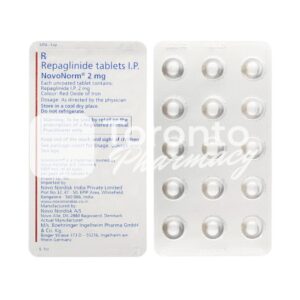
Gluconorm
from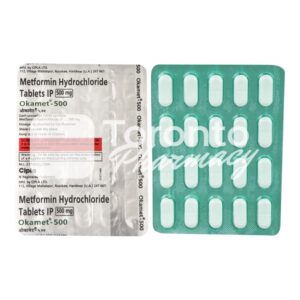
Metformin
from
Metformin Glyburide
fromUnderstanding Diabetes and Blood Sugar Management
What is diabetes and how it affects blood sugar levels
Diabetes is a chronic medical condition that occurs when your body cannot properly regulate blood glucose (sugar) levels. In healthy individuals, the pancreas produces insulin, a hormone that helps cells absorb glucose from the bloodstream for energy. When you have diabetes, this process is disrupted, leading to elevated blood sugar levels that can cause serious health complications if left unmanaged.
Types of diabetes: Type 1, Type 2, and gestational diabetes
There are three main types of diabetes affecting Canadians. Type 1 diabetes is an autoimmune condition where the pancreas produces little to no insulin, typically diagnosed in childhood or young adulthood. Type 2 diabetes, the most common form, occurs when the body becomes resistant to insulin or doesn’t produce enough insulin, often developing in adults over 40. Gestational diabetes develops during pregnancy and usually resolves after delivery, though it increases the risk of developing Type 2 diabetes later in life.
Importance of maintaining healthy blood glucose levels
Maintaining proper blood sugar levels is crucial for preventing both short-term and long-term complications. Consistently high blood glucose can damage blood vessels, nerves, kidneys, eyes, and the heart. Health Canada recommends target blood glucose levels of 4.0 to 7.0 mmol/L before meals and 5.0 to 10.0 mmol/L two hours after eating for most adults with diabetes.
How diabetes medications work to control blood sugar
Diabetes medications work through various mechanisms to help maintain healthy blood glucose levels. Some medications increase insulin production, while others improve insulin sensitivity or slow glucose absorption. The goal is to keep blood sugar within target ranges throughout the day, reducing the risk of complications and improving quality of life.
Signs and symptoms that indicate need for medical attention
Certain symptoms require immediate medical attention for people with diabetes:
- Blood glucose readings consistently above 14 mmol/L
- Persistent nausea, vomiting, or abdominal pain
- Difficulty breathing or rapid breathing
- Confusion, drowsiness, or loss of consciousness
- Signs of severe dehydration
- Ketones in urine (for Type 1 diabetes)
Oral Diabetes Medications Available in Canada
Metformin (Glucophage, Glumetza) – first-line treatment for Type 2 diabetes
Metformin is the preferred initial medication for Type 2 diabetes in Canada, recommended by Diabetes Canada as first-line therapy. It works by reducing glucose production in the liver and improving insulin sensitivity in muscle tissues. Available in immediate-release and extended-release formulations, metformin is generally well-tolerated and has been used safely for decades. It may also provide cardiovascular benefits and is weight-neutral, making it an excellent choice for most patients with Type 2 diabetes.
Sulfonylureas (Glyburide, Gliclazide, Glimepiride) – insulin stimulating medications
Sulfonylureas are a class of medications that stimulate the pancreas to produce more insulin. Common options available in Canada include glyburide (Diabeta), gliclazide (Diamicron), and glimepiride (Amaryl). These medications are effective at lowering blood glucose but require careful monitoring as they can cause hypoglycemia (low blood sugar). They are often used as second-line therapy when metformin alone is insufficient or as combination therapy.
DPP-4 inhibitors (Sitagliptin, Saxagliptin, Linagliptin) – newer oral options
DPP-4 inhibitors, including sitagliptin (Januvia), saxagliptin (Onglyza), and linagliptin (Trajenta), work by blocking the enzyme that breaks down incretin hormones. This action helps increase insulin production when blood sugar is elevated and reduces glucose production by the liver. These medications have a low risk of hypoglycemia and are weight-neutral, making them suitable for many patients with Type 2 diabetes.
SGLT2 inhibitors (Empagliflozin, Canagliflozin, Dapagliflozin) – kidney glucose blockers
SGLT2 inhibitors represent a newer class of diabetes medications that work by preventing the kidneys from reabsorbing glucose, allowing excess sugar to be eliminated through urine. Available options in Canada include empagliflozin (Jardiance), canagliflozin (Invokana), and dapagliflozin (Forxiga). These medications not only lower blood glucose but may also provide cardiovascular and kidney protection benefits, making them valuable options for patients with additional health concerns.
How each medication class works differently in the body
Each class of diabetes medication targets different aspects of glucose control. Metformin primarily reduces liver glucose production and improves insulin sensitivity. Sulfonylureas directly stimulate insulin release from pancreatic beta cells. DPP-4 inhibitors enhance the body’s natural incretin system to regulate blood sugar in a glucose-dependent manner. SGLT2 inhibitors work independently of insulin by promoting glucose elimination through the kidneys. Understanding these different mechanisms helps healthcare providers create personalized treatment plans.
Common side effects and precautions for oral diabetes drugs
While diabetes medications are generally safe, each class has specific considerations. Metformin may cause gastrointestinal upset initially and requires kidney function monitoring. Sulfonylureas can cause weight gain and hypoglycemia, requiring careful meal timing. DPP-4 inhibitors are well-tolerated but may rarely cause joint pain. SGLT2 inhibitors can increase risk of urogenital infections and require adequate hydration. Always consult with your healthcare provider or pharmacist about potential interactions with other medications and appropriate monitoring while taking diabetes medications.
Insulin Products and Injection Supplies
Managing diabetes effectively often requires insulin therapy, and Canada offers a comprehensive range of insulin products to meet diverse patient needs. Understanding the different types of insulin and proper administration techniques is crucial for optimal diabetes management.
Types of Insulin Available in Canada
Canadian pharmacies stock three main categories of insulin, each designed to work at different speeds and durations. Rapid-acting insulin begins working within 15 minutes and is ideal for mealtime blood sugar control. Long-acting insulin provides steady glucose management over 24 hours, making it perfect for baseline coverage. Intermediate-acting insulin offers a middle ground, typically lasting 12-18 hours and helping bridge the gap between meals and overnight periods.
Popular Insulin Brands
Several trusted insulin brands are readily available across Canadian pharmacies. Humalog and NovoRapid are leading rapid-acting options that work quickly to manage post-meal glucose spikes. For long-acting coverage, Lantus, Levemir, and Tresiba provide reliable, extended glucose control with different duration profiles to suit individual lifestyle needs.
Injection Supplies and Equipment
Modern insulin delivery systems have made diabetes management more convenient than ever. Insulin pens offer precise dosing and portability, while traditional syringes remain cost-effective for many patients. Needle options include various lengths and gauges to ensure comfortable injection experiences tailored to individual preferences and body types.
Storage and Handling Guidelines
Proper insulin storage is essential for maintaining effectiveness. Unopened insulin should be refrigerated between 2-8°C, while in-use insulin can be stored at room temperature for up to 28 days. Always check expiration dates and avoid exposing insulin to extreme temperatures or direct sunlight.
Insurance Coverage Considerations
Most provincial health plans and private insurance policies in Canada provide coverage for insulin products. Coverage varies by province and individual plans, so it’s important to verify your specific benefits and understand any prior authorization requirements or preferred brand formulations.
Blood Glucose Monitoring Systems
Regular blood glucose monitoring forms the foundation of effective diabetes management, providing vital information that guides treatment decisions and lifestyle choices. Modern monitoring technology has evolved significantly, offering Canadian patients various options to track their blood sugar levels accurately and conveniently.
Importance of Regular Blood Sugar Testing
Consistent glucose monitoring helps identify patterns, prevent dangerous highs and lows, and optimize medication timing. Regular testing empowers patients to make informed decisions about food choices, exercise, and insulin dosing while providing healthcare providers with essential data for treatment adjustments.
Popular Glucose Meters in Canada
Canadian pharmacies offer several reliable glucose monitoring brands. Accu-Chek meters are known for their accuracy and user-friendly features. OneTouch systems provide fast results with minimal blood samples, while FreeStyle meters offer compact designs and advanced connectivity options for data tracking.
Essential Monitoring Supplies
Successful glucose monitoring requires compatible supplies for each meter system. Consider these key components:
- Test strips specifically designed for your glucose meter model
- Lancets in various gauge sizes for comfortable finger pricking
- Control solutions for meter accuracy verification
- Lancing devices with adjustable depth settings
- Logbooks or smartphone apps for result tracking
Continuous Glucose Monitoring Options
CGM systems provide real-time glucose readings without frequent finger pricks, offering trend information and alerts for dangerous glucose levels. These advanced systems are increasingly available in Canada and may be covered under provincial health plans for qualifying patients.
Choosing the Right System
Consider your lifestyle, testing frequency, insurance coverage, and technical preferences when selecting a monitoring system. Consult with your pharmacist or diabetes educator to determine which option best suits your individual needs and management goals.
Diabetes Complications Prevention
Medications for Diabetic Neuropathy and Nerve Pain
Managing diabetic neuropathy requires specialized medications to address nerve pain and prevent further complications. Canadian pharmacies offer prescription options including pregabalin, gabapentin, and duloxetine, which help reduce nerve pain and improve quality of life. Over-the-counter topical treatments containing capsaicin or lidocaine provide additional relief for localized discomfort.
Eye Care and Diabetic Retinopathy Prevention
Protecting your vision is crucial in diabetes management. Eye care products specifically formulated for diabetic patients include preservative-free artificial tears, specialized contact lens solutions, and nutritional supplements containing lutein and zeaxanthin. Regular monitoring with home vision screening tools can help detect early changes requiring professional intervention.
Essential Diabetic Foot Care
Comprehensive foot care prevents serious complications in diabetic patients. Essential products include:
- Diabetic-specific moisturizers and creams
- Antifungal treatments for infection prevention
- Specialized diabetic socks and compression garments
- Foot inspection mirrors and nail care tools
Blood Pressure and Cholesterol Management
Cardiovascular health management includes ACE inhibitors, ARBs, and statins commonly prescribed for diabetic patients. Home monitoring devices help track blood pressure trends, while cholesterol-lowering supplements and heart-healthy omega-3 formulations support overall cardiovascular wellness.
Lifestyle Support and Nutritional Aids
Diabetic-Friendly Vitamins and Supplements
Health Canada-approved supplements specifically designed for diabetic needs include high-potency B-complex vitamins, vitamin D3, and magnesium formulations. These products address common nutritional deficiencies in diabetic patients while supporting overall metabolic health and immune function.
Blood Sugar Support Supplements
Natural blood sugar support options available in Canada include chromium picolinate, alpha-lipoic acid, and Ceylon cinnamon extract. These evidence-based supplements work alongside prescribed medications to help maintain stable glucose levels and improve insulin sensitivity when used as part of a comprehensive diabetes management plan.
Nutritional Products and Exercise Support
Diabetic-specific meal replacement shakes, protein powders, and snack bars provide convenient nutrition options with controlled carbohydrate content. Activity monitoring devices including glucose-compatible fitness trackers and blood pressure monitors help patients maintain active lifestyles while monitoring their health metrics effectively.