Hydrochlorothiazide
In brief
Hydrochlorothiazide helps the kidneys remove extra salt and water. This diuretic is used to lower blood pressure and reduce fluid retention.
Basic Hydrochlorothiazide Information
- Active substance (INN): Hydrochlorothiazide
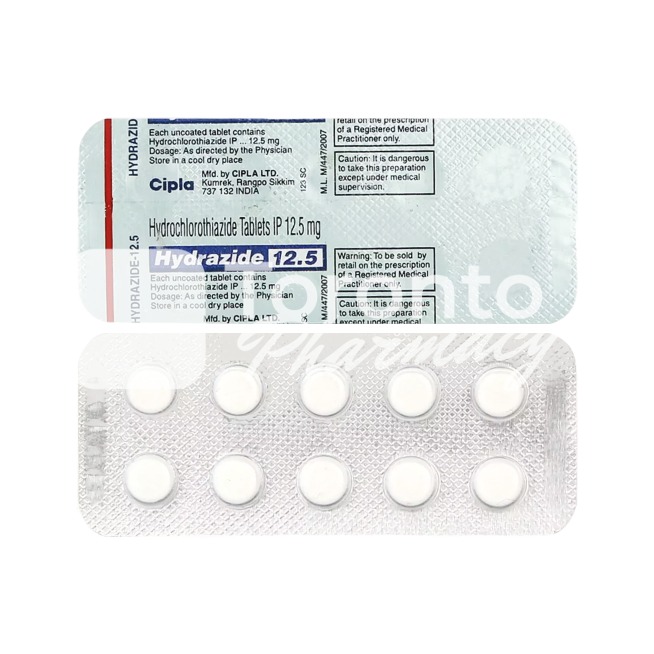
- Form and strengths offered: Hydrochlorothiazide tablets, 12.5mg / 25mg
- Pack sizes offered: 30 pills, 60 pills, 90 pills, 120 pills, 180 pills, 270 pills, 360 pills
- Drug group: Thiazide diuretic (water pill)
- Prescription medicine: Yes
What Is Hydrochlorothiazide Used For?
Hydrochlorothiazide is a thiazide diuretic. In line with the Health Canada monograph, Hydrochlorothiazide is used to treat high blood pressure, alone or together with other blood pressure medicines, and to reduce edema (fluid retention) linked to heart failure, liver cirrhosis and some kidney conditions or to treatment with corticosteroids.
Hydrochlorothiazide is one of the most widely used diuretics. It is often also found in combination tablets with other blood pressure medicines, but the product offered here contains Hydrochlorothiazide alone.
How Hydrochlorothiazide Works
Hydrochlorothiazide acts on the distal tubule of the kidney, where it blocks the sodium-chloride transporter. More sodium and water leave the body in the urine, which lowers the volume of fluid in the blood vessels. With long-term use Hydrochlorothiazide also reduces the resistance of the blood vessels, which contributes to the fall in blood pressure. It also increases the loss of potassium and lowers the loss of calcium.
Hydrochlorothiazide Dosage and Administration
The ranges below are informational and follow the usual guidance in the monograph. The doctor sets the dose.
Typical Hydrochlorothiazide doses in adults
- High blood pressure: commonly 12.5mg to 25mg once daily; higher doses give little extra effect and more side effects.
- Edema: commonly 25mg to 100mg daily as a single or divided dose, sometimes on alternate days; the doctor sets the schedule.
Take Hydrochlorothiazide in the morning so that increased urination does not interrupt sleep. It can be taken with food if it upsets the stomach.
If you miss a Hydrochlorothiazide dose
Take it when you remember, but not late in the evening. Do not take a double dose.
Who Should Not Take Hydrochlorothiazide
- Allergy to hydrochlorothiazide or to sulfonamide-derived medicines.
- Anuria (no urine production) or severe kidney impairment.
- Severe liver impairment, uncorrected low potassium or low sodium, high calcium, or symptomatic gout.
- Caution with diabetes, gout, lupus, a history of skin cancer, and eye conditions such as glaucoma.
Hydrochlorothiazide Side Effects
Common Hydrochlorothiazide side effects
- Frequent urination, dizziness when standing, tiredness
- Low potassium (weakness, cramps), low sodium, raised uric acid or blood sugar
- Sensitivity of the skin to sunlight
Serious Hydrochlorothiazide side effects
- Severe electrolyte disturbance with confusion, irregular heartbeat or seizures
- Acute eye pain or sudden loss of vision (acute angle-closure glaucoma or myopia)
- Pancreatitis, severe allergic reactions, serious skin reactions
- Non-melanoma skin cancer: long-term Hydrochlorothiazide use has been linked to a higher risk, so use sun protection and have skin changes checked
Frequencies are in the product monograph. Blood tests for potassium, sodium and kidney function are often done during Hydrochlorothiazide therapy.
Hydrochlorothiazide Interactions
- Lithium: Hydrochlorothiazide increases lithium levels and the risk of toxicity.
- NSAIDs can reduce the diuretic and blood-pressure effect and increase kidney risk.
- Digoxin: low potassium raises the risk of digoxin toxicity.
- Diabetes medicines may need adjustment; corticosteroids and laxatives add to potassium loss.
- Other blood pressure medicines add to the effect; cholestyramine reduces absorption of Hydrochlorothiazide.
Hydrochlorothiazide in Pregnancy and Breastfeeding
Hydrochlorothiazide is generally not recommended in pregnancy because it can reduce blood volume to the placenta and cause electrolyte problems in the baby. It passes into breast milk and can reduce milk production, so discuss Hydrochlorothiazide with the doctor if you are breastfeeding.
Alcohol, Driving and Hydrochlorothiazide
Alcohol can increase dizziness and low blood pressure with Hydrochlorothiazide. Take care when driving until you know how you react, especially at the start of treatment. Drink enough fluid in hot weather or with vomiting and diarrhea, and ask the doctor whether Hydrochlorothiazide should be paused then.
Hydrochlorothiazide Compared With Other Diuretics
| Substance | Class | Notes |
|---|---|---|
| Hydrochlorothiazide | Thiazide | Moderate diuretic; mainly for blood pressure and mild edema |
| Furosemide | Loop diuretic | Stronger and shorter-acting; used for marked edema |
| Spironolactone | Potassium-sparing | Retains potassium; slower onset |
Storing Hydrochlorothiazide
Keep Hydrochlorothiazide tablets at room temperature in a tightly closed container, protected from light and moisture, and out of reach of children.
Hydrochlorothiazide FAQ
Does Hydrochlorothiazide need to be taken every day?
For blood pressure it is usually taken daily; continue even when you feel well unless your doctor stops it.
Can Hydrochlorothiazide cause low potassium?
Yes. Muscle weakness or cramps may be a sign, and the doctor may check potassium with blood tests.
Should I use sun protection with Hydrochlorothiazide?
Yes. Hydrochlorothiazide can increase sensitivity to sunlight, so use sunscreen and protective clothing.
Which Hydrochlorothiazide strengths are offered?
Hydrochlorothiazide 12.5mg and 25mg tablets; the doctor decides the strength.