Anafranil
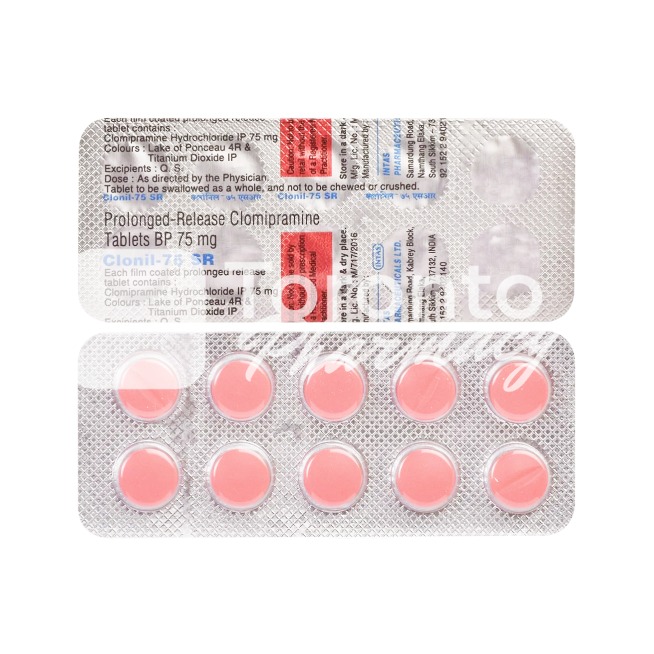
In brief
Anafranil – clomipramine is a tricyclic antidepressant used to treat obsessive-compulsive disorder. It affects serotonin and noradrenaline signalling, with benefits developing over time rather than immediately.
Basic Anafranil Information
- Active substance (INN): clomipramine (as clomipramine hydrochloride)
- Form and strengths offered: Anafranil tablets, 10 mg, 25 mg, 50 mg and 75 mg
- Pack sizes offered: 30, 60, 90, 120, 180, 270 or 360 pills; also 30, 60, 90, 120, 180 or 360 tabs
- Drug group: tricyclic antidepressant
- Prescription medicine: yes, Anafranil is used only under a doctor's direction
Anafranil is the brand name of clomipramine, a tricyclic antidepressant that doctors use for depressive illness and for obsessive-compulsive disorder. This page explains what Anafranil is, how it works, how it is usually dosed, who should avoid it and what to watch for during treatment. It is general information based on the Health Canada product monograph and does not replace the advice of your doctor or pharmacist.
What Anafranil Is Used For
Anafranil is authorised for the relief of symptoms of depression and for the treatment of obsessive-compulsive disorder (OCD), a condition marked by unwanted, repeated thoughts and by rituals the person feels driven to perform. Depending on the individual case, a doctor may also consider Anafranil for related anxiety-type conditions. The decision to start Anafranil, and the choice of strength, always belongs to the treating doctor.
How Anafranil Works
Clomipramine, the substance in Anafranil, slows the re-uptake of serotonin and, through its main metabolite, of noradrenaline in the brain. Higher levels of these messengers between nerve cells are thought to underlie its effect on mood and on obsessive thoughts. Anafranil also blocks histamine, acetylcholine and alpha-adrenergic receptors, which explains many of its side effects such as drowsiness and dry mouth. Benefit builds up gradually, and several weeks may pass before the full effect of Anafranil can be judged.
Anafranil Strengths and Packs We Offer
Anafranil is offered in four tablet strengths: 10 mg, 25 mg, 50 mg and 75 mg. Packs contain 30, 60, 90, 120, 180, 270 or 360 pills, and there are also packs of 30, 60, 90, 120, 180 or 360 tabs. Having several strengths allows the doctor to start Anafranil low and adjust step by step.
Anafranil Dosage and Administration
The ranges below are informational and follow the Health Canada monograph. Your doctor sets the dose for you.
- Depression in adults: treatment starts at 25 mg daily and is increased gradually. Doses above 200 mg daily are not recommended for outpatients; severely depressed hospital patients may occasionally require up to 300 mg daily under close supervision.
- Obsessive-compulsive disorder: treatment usually starts at 25 mg a day, increased over about two weeks to around 100 mg a day, then adjusted as needed up to a maximum of 250 mg a day.
- Older adults: a lower starting dose and slower increases are used.
Swallow Anafranil tablets whole with water, with or after a meal to lessen stomach upset. Doses may be divided during the day at first; once the dose is stable, a single evening dose is often used because Anafranil can cause drowsiness. Do not stop Anafranil suddenly, because withdrawal symptoms such as nausea, headache, irritability and sleep problems can appear. Your doctor will reduce the dose gradually.
Who Should Not Take Anafranil
- People allergic to clomipramine, other tricyclic antidepressants or any ingredient of Anafranil.
- Anyone taking a monoamine oxidase inhibitor (MAOI), or who stopped one within the last 14 days.
- People in the acute recovery phase after a heart attack, and those with certain heart rhythm or conduction disorders.
- Patients with glaucoma, severe liver or kidney disease, or a history of blood disorders. Difficulty passing urine or prostate enlargement requires careful medical assessment.
- Anyone with a history of seizures should use Anafranil only under close medical supervision, as the risk of seizures rises with dose.
Tell your doctor about thyroid disease, bipolar disorder, heart disease, liver or kidney problems before starting Anafranil. Antidepressants can increase suicidal thoughts and behaviour, especially in people under 25 and early in treatment or after dose changes. Contact a doctor at once if mood worsens or unusual agitation appears.
Anafranil Side Effects
Common Anafranil side effects
- Dry mouth, constipation, blurred vision, difficulty urinating
- Drowsiness, dizziness, tremor, fatigue
- Sweating, weight gain, nausea
- Sexual side effects, such as reduced desire or delayed ejaculation
Serious Anafranil side effects
Seek urgent medical help for fainting, a fast or irregular heartbeat, seizures, severe confusion or hallucinations, fever with muscle stiffness (possible serotonin syndrome), yellowing of the skin or eyes, severe eye pain, or thoughts of self-harm. The exact frequency of each effect is listed in the Anafranil product monograph.
Anafranil Interactions
Anafranil interacts with many medicines, so give your doctor a full list of everything you take. Important examples include MAOIs (dangerous), other antidepressants such as SSRIs and venlafaxine (serotonin syndrome and higher clomipramine levels), drugs that prolong the QT interval, anticholinergics, sedatives, anticonvulsants, and medicines that raise blood pressure such as adrenaline-like drugs. Cimetidine and some antifungals can raise Anafranil levels. Smoking can lower them.
Anafranil in Pregnancy and Breastfeeding
Anafranil should be used in pregnancy only if the doctor judges the benefit outweighs the risk. Babies exposed late in pregnancy may show withdrawal-type signs such as jitteriness, breathing difficulty or feeding problems. Clomipramine passes into breast milk. Do not breastfeed while taking Anafranil; discuss an alternative feeding or treatment plan with your doctor.
Anafranil, Alcohol and Driving
Alcohol increases the sedative effect of Anafranil and should be avoided. Anafranil may impair alertness, so do not drive or use machinery until you know how it affects you.
Anafranil Compared With Related Antidepressants
| Substance | Group | Main uses | Typical notes |
|---|---|---|---|
| Clomipramine (Anafranil) | Tricyclic | Depression, OCD | Strong serotonin effect; anticholinergic side effects |
| Amitriptyline | Tricyclic | Depression, some pain conditions | More sedating |
| Sertraline | SSRI | Depression, OCD, anxiety disorders | Usually fewer anticholinergic effects |
| Fluvoxamine | SSRI | OCD, depression | Many drug interactions |
Storing Anafranil
Store Anafranil at room temperature, away from moisture, heat and light, in the original package. Keep it out of the reach of children. An overdose of Anafranil is a medical emergency and needs immediate attention.
Anafranil FAQ
How long before Anafranil starts to work?
Improvement with Anafranil is gradual. Doctors usually assess it over several weeks; keep taking it as directed and report concerns rather than stopping.
Can I stop Anafranil when I feel better?
No. Anafranil should be tapered on a doctor's advice to avoid withdrawal symptoms and relapse.
What if I miss a dose of Anafranil?
Take it when you remember unless the next dose is close; never double up on Anafranil.
Is Anafranil a prescription medicine?
Yes. Anafranil is a prescription medicine and is used under medical supervision.